Summer is the most demanding season for an electric bike: temperatures exceeding 35°C on the asphalt, long coastal routes, beach sand and intensive use days that can double wear compared to winter. If your ebike has only been used sporadically over the last few months, April and May are exactly the right time for a full inspection before the intense heat arrives. A well-executed maintenance checklist now can save you from unexpected breakdowns on the most beautiful ride of the year.
Electric bike summer maintenance checklist: where to start
Before heading out on the first long ride of the year, you need to put your ebike through a structured inspection process. It is not enough to check whether the tires are inflated and then head off pedaling: intensive summer use subjects the bike to very different conditions from a quiet Sunday outing. Heat affects the battery, hot asphalt raises tire temperatures, and longer routes demand brakes in perfect condition. An orderly checklist, carried out calmly at home, takes less than an hour and can save you from a breakdown 20 km from home.
Order matters: always start with the safety systems (brakes, tires) before moving on to the electronic components (battery, motor, display). That way, if you detect a serious problem with the brakes, you have not wasted time checking the battery. Below is the complete sequence we recommend for the spring ebike tune-up, organized from highest to lowest criticality for your safety.
-
General visual inspection
Check the frame for dents, cracks or corrosion that may have accumulated over winter. Make sure all bolts on the stem, handlebars and saddle are properly tightened. -
Brakes (disc and hydraulic)
Squeeze the lever while stationary: it should not reach the handlebar. Check the thickness of the pads and the condition of the discs. Any squealing when braking is a sign of wear or dirt. -
Tires and pressure
Inflate to the manufacturer's recommended pressure (indicated on the tire sidewall). Look for cuts, deformations or uneven wear on the tread. -
Battery and electrical connections
Perform a full charge and check that the battery level is stable after charging. Inspect the connectors for moisture, corrosion or bent pins. -
Chain and drivetrain
Clean the chain with a specific degreaser and apply a lubricant suitable for high temperatures. Check the sprocket wear if you have ridden more than 1,500 km. -
Lights and electronics
Check that the display works correctly in all modes. Verify that the front and rear lights turn on and have good brightness.
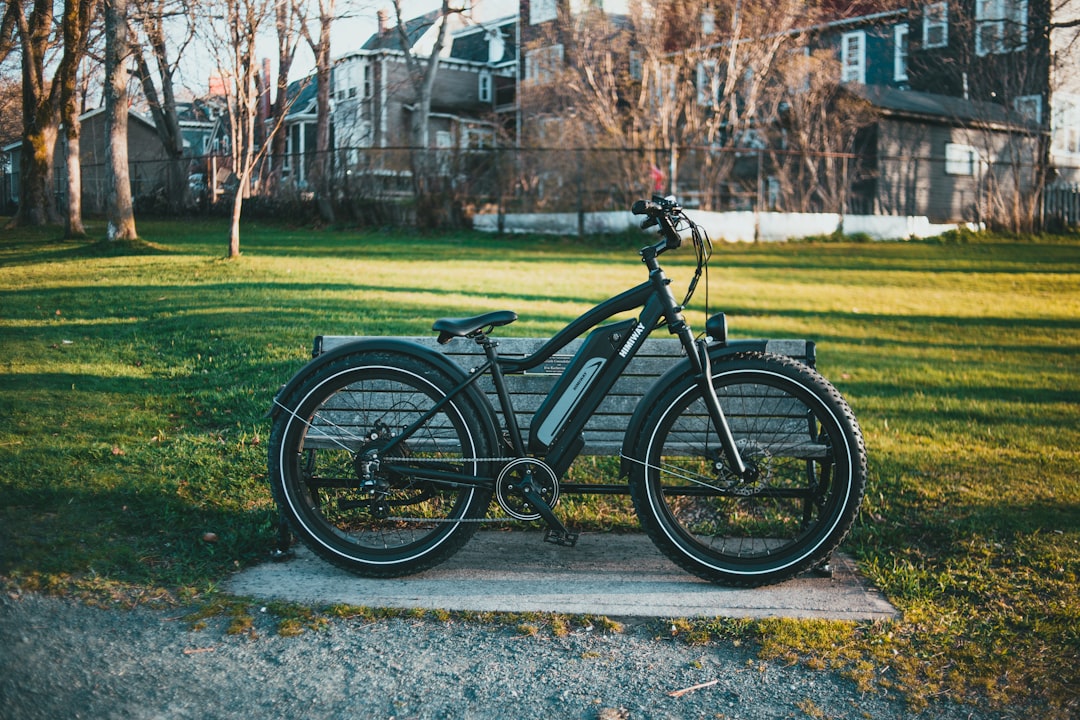
Checking your electric bike battery in hot conditions
The lithium battery is the component most sensitive to heat in any electric bike. When the ambient temperature exceeds 30°C and the asphalt radiates additional heat, a battery that works perfectly in spring can degrade rapidly if basic precautions are not taken. The optimal operating range for a Li-Ion battery is between 10°C and 30°C: above 35°C, partial charge cycles begin that reduce long-term capacity. In summer, this scenario is not hypothetical — it is an everyday reality in cities like Seville, Madrid or Valencia during July and August.
The pre-summer battery check starts with a full charge and observing its behavior: a healthy battery reaches 100% within the usual time and does not show excessive heating during charging. Next, visually inspect the battery compartment for moisture accumulated over winter, corrosion on the contacts or any deformation of the casing. If your ebike has more than two seasons of intensive use, consider having the battery state of health (SOH) measured at a specialist workshop, since a battery degraded to 70% of its original capacity could leave you stranded in the middle of a summer route.
For daily summer use, adopt the habit of avoiding 100% charges if you are not going to use the bike immediately: keeping the battery between 20% and 80% reduces thermal stress during the hottest months. Likewise, do not leave the bike parked in the sun with the battery installed any longer than necessary. These simple habits can extend battery life by several years and keep real-world range much closer to the manufacturer's figures.
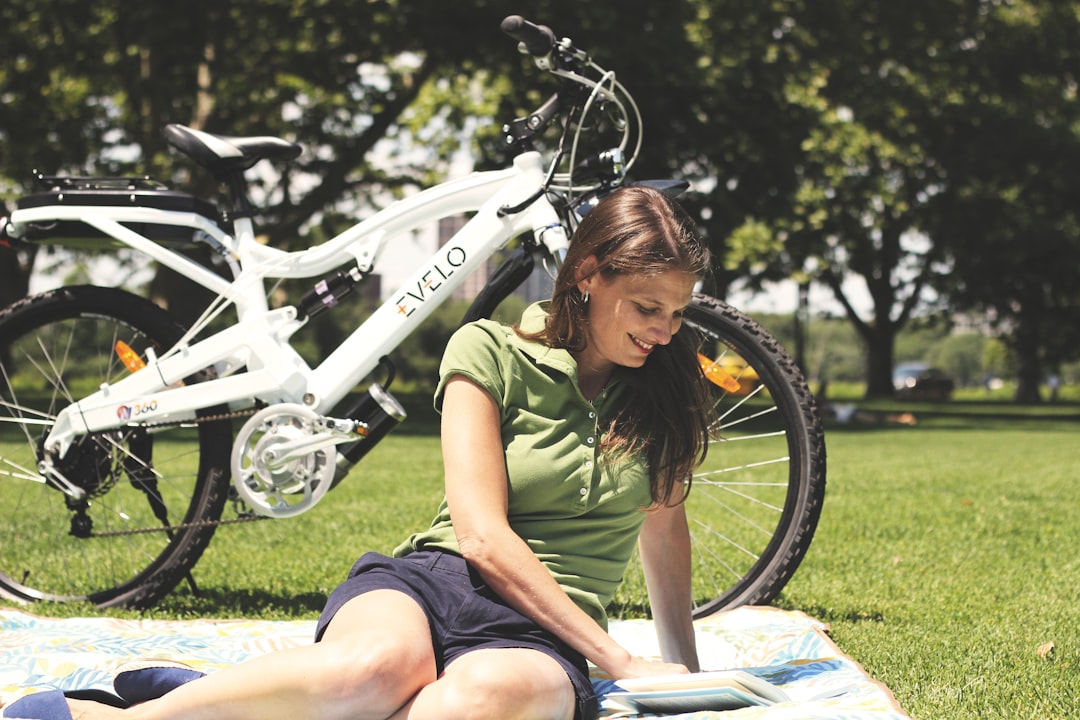
Preparing your electric bike for long-distance routes and beach trips
Summer invites longer routes and destinations that are not on the radar in winter: the coast, dirt tracks and forest trails. Preparing your ebike for this type of use means checking in detail the components that work hardest over long distances. Tires are the first critical point: correct pressure not only affects comfort, but also energy consumption and braking safety. A tire 0.5 bar below the recommended pressure can increase battery consumption by up to 15% on a 30 km route, significantly reducing real-world range.
Brakes deserve special attention if you plan routes with prolonged descents, which is common on mountain getaways or routes with accumulated elevation gain. Disc brake pads have a service life that varies with use, but on an ebike weighing between 22 and 28 kg loaded, wear is greater than on a conventional bike. Check that the lever travel feels firm (not spongy) and that the discs show no deep scratches or warping. If you are unsure about the condition of your brakes, it is better to take the bike to a workshop before the first long ride than to find out on the way down a steep descent.
If you plan to use the bike on coastal routes or directly on the beach, preparation also includes protecting exposed metal parts. Salt spray is an aggressive oxidizing agent that can affect the frame, chain and aluminium components within just a few weeks of repeated exposure. Apply a thin layer of anti-corrosion spray to the most exposed areas, especially at the frame joints and the drivetrain. In our article on electric bike routes around Valencia you will find examples of coastal rides that combine urban cycle lanes with stretches along the sea, perfect for putting your bike tune-up to the test.
Cleaning and post-adventure care: extending the life of your ebike
Summer maintenance does not end with the pre-season inspection: regular cleaning after each intense outing is equally important. After a ride on dirt tracks, a beach visit or a summer rain shower (which happens more often than we think), your ebike accumulates dirt, sand, salt spray and moisture that can accelerate component deterioration if not removed properly. The most common mistake is using a pressure hose directly on the bike: pressurized water can get into the motor, display and electrical connectors, causing damage that is not covered by warranty.
The correct technique is to clean the electrical areas with a damp cloth or sponge, and reserve low-pressure water (or a bucket) for the frame and tires. After cleaning, dry all surfaces thoroughly before storing the bike, especially the battery connectors and the display area. As part of the post-beach ebike maintenance checklist, this is the recommended order:
- Remove the battery before cleaning if the bike has been in contact with sand or salt water
- Clean the frame and tires with a sponge and warm water
- Use a dry cloth for electrical components (display, connectors, motor)
- Apply degreaser to the chain if it has accumulated dirt
- Re-lubricate the chain after degreasing (without excess)
- Check that the connectors are dry and sand-free before reinstalling the battery
- Store in a dry place, away from direct sunlight
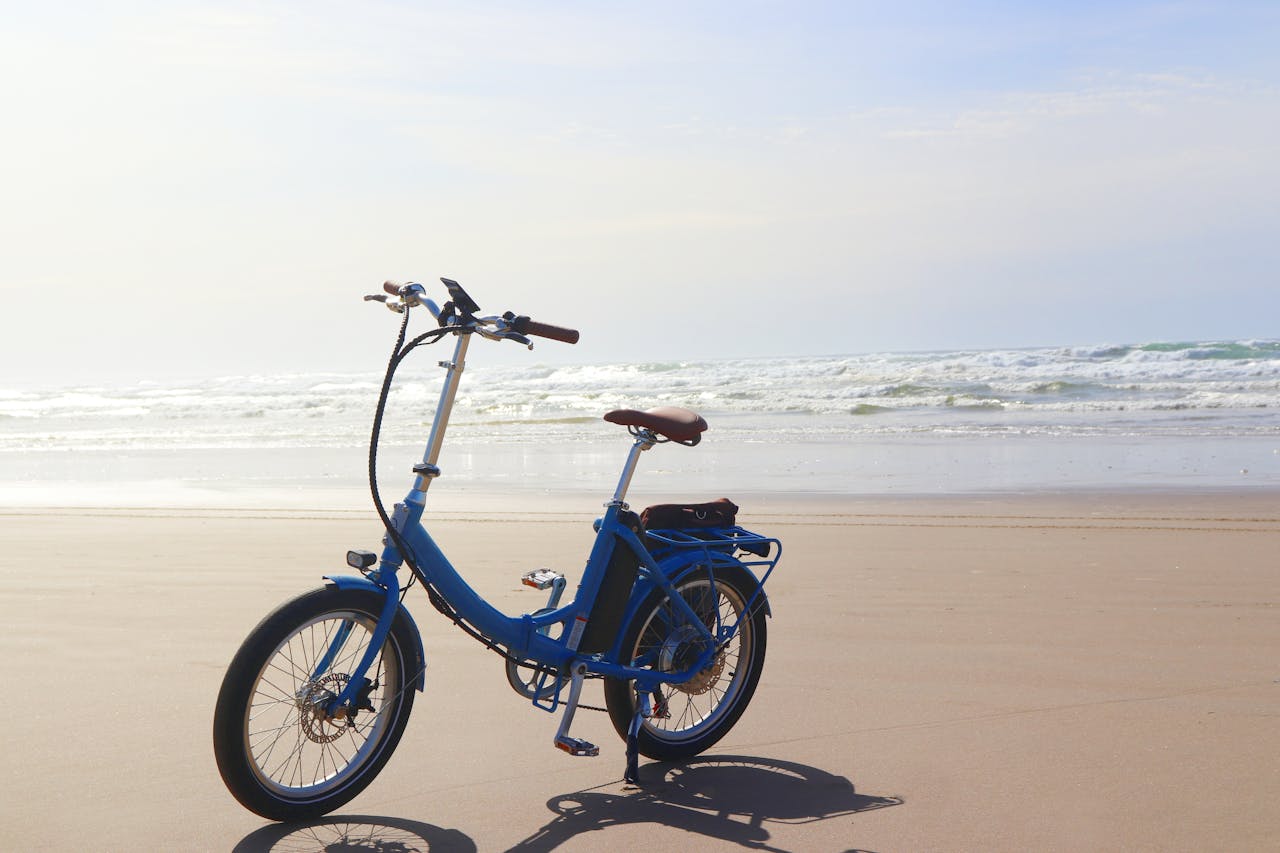
The importance of lubrication in the spring-summer ebike tune-up
Lubrication is one of the most neglected aspects of ebike maintenance and one that has the greatest impact on performance and durability. In summer, the standard lubricant that works well in winter can behave differently: high temperatures thin out lighter lubricants, causing them to evaporate sooner and leaving the chain unprotected. For this reason, for the spring ebike tune-up it is advisable to switch to a summer lubricant (or "wet lube" in extreme heat conditions), which has a higher viscosity and better withstands elevated temperatures and dust from dry trails.
The chain is not the only point that needs lubrication: brake and gear cables (if mechanical), the pivots of the front suspension (if the model has it) and the pivot points of any articulated mechanism should all receive attention before the season begins. A well-lubricated chain can reduce pedaling resistance by up to 5%, which on an ebike translates directly into more real-world range per charge. If your chain squeaks or has stiff links, do not lubricate over the dirt: clean first with degreaser, dry, then apply the appropriate lubricant.
Summer maintenance interval table
| Component | Frequency in summer | What to check / do | Estimated time |
|---|---|---|---|
| Chain | Every 200–300 km | Clean and lubricate with summer lubricant; measure wear | 15–20 min |
| Brakes (pads) | Every 500 km or monthly | Check thickness, lever travel, sound when braking | 10 min |
| Tires | Before each long ride | Manufacturer pressure, visual inspection of tread | 5 min |
| Battery | Monthly and after use in heat | Connector inspection, temperature during charging, health level | 10 min |
| General cleaning | After each use on beach/mud | Frame, drivetrain, electrical connectors, display | 20–30 min |
| Bolts and fasteners | Monthly | Handlebars, stem, saddle, rack — general tightening | 10 min |
| Lights | Monthly | Front and rear brightness, internal battery charge if applicable | 5 min |
| Professional service | Annual (pre-summer) | Motor, hydraulic brakes, fork, overall battery condition | 1–2 h (workshop) |
Additional tips for electric bike summer maintenance
Beyond the mechanical checklist, there are a number of usage habits that make a real difference to the durability of your ebike during the hot months. The first relates to parking: avoid leaving the bike in direct sunlight for hours, especially with the battery installed. Not only does this affect the lithium cells, but the plastic components on the display and grips can deteriorate with prolonged exposure to UV rays. A simple cover or parking in the shade can extend the life of these components by several years.
Lights and reflectors deserve a specific check before the summer season, since night rides increase at this time of year: early morning coastal departures, sunset routes or riding home after a day at the beach are all common scenarios. Check that the front light illuminates correctly at 50 metres and that the rear light is visible from a distance. If your ebike has had the same stock lights for two or three years without inspection, consider upgrading the front light to a higher-lumen model for night rides. If you plan to use your bike intensively this summer and are considering an upgrade, the ENGWE N1 AIR features integrated LED lighting, a lightweight aluminium frame and a 522 Wh battery designed for regular use with up to 100 km of range in eco mode — a solid option for anyone who wants to start the season fresh with an EN 15194-certified bike.
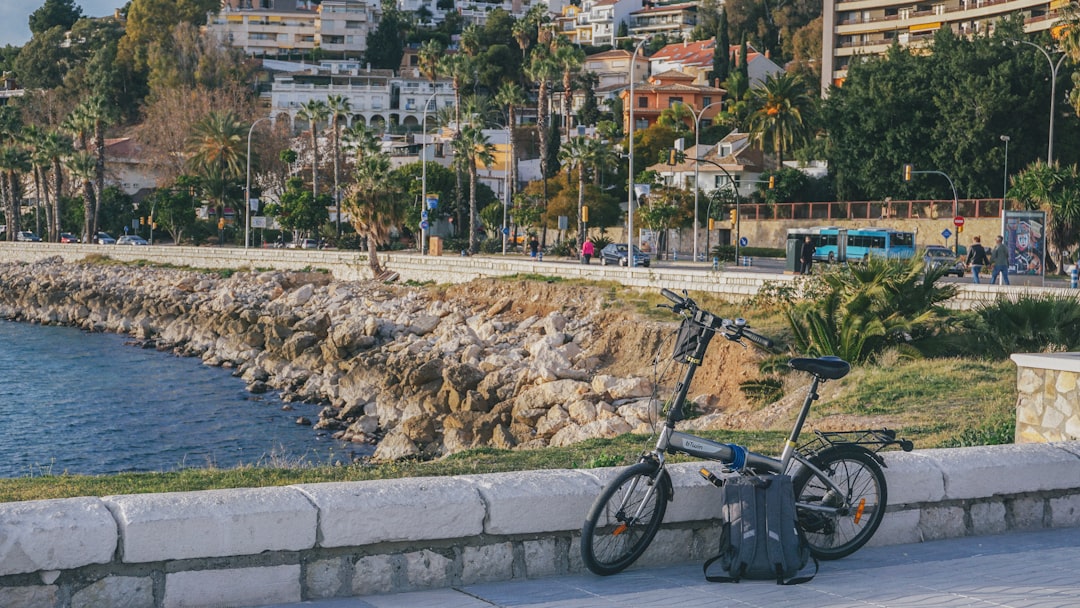
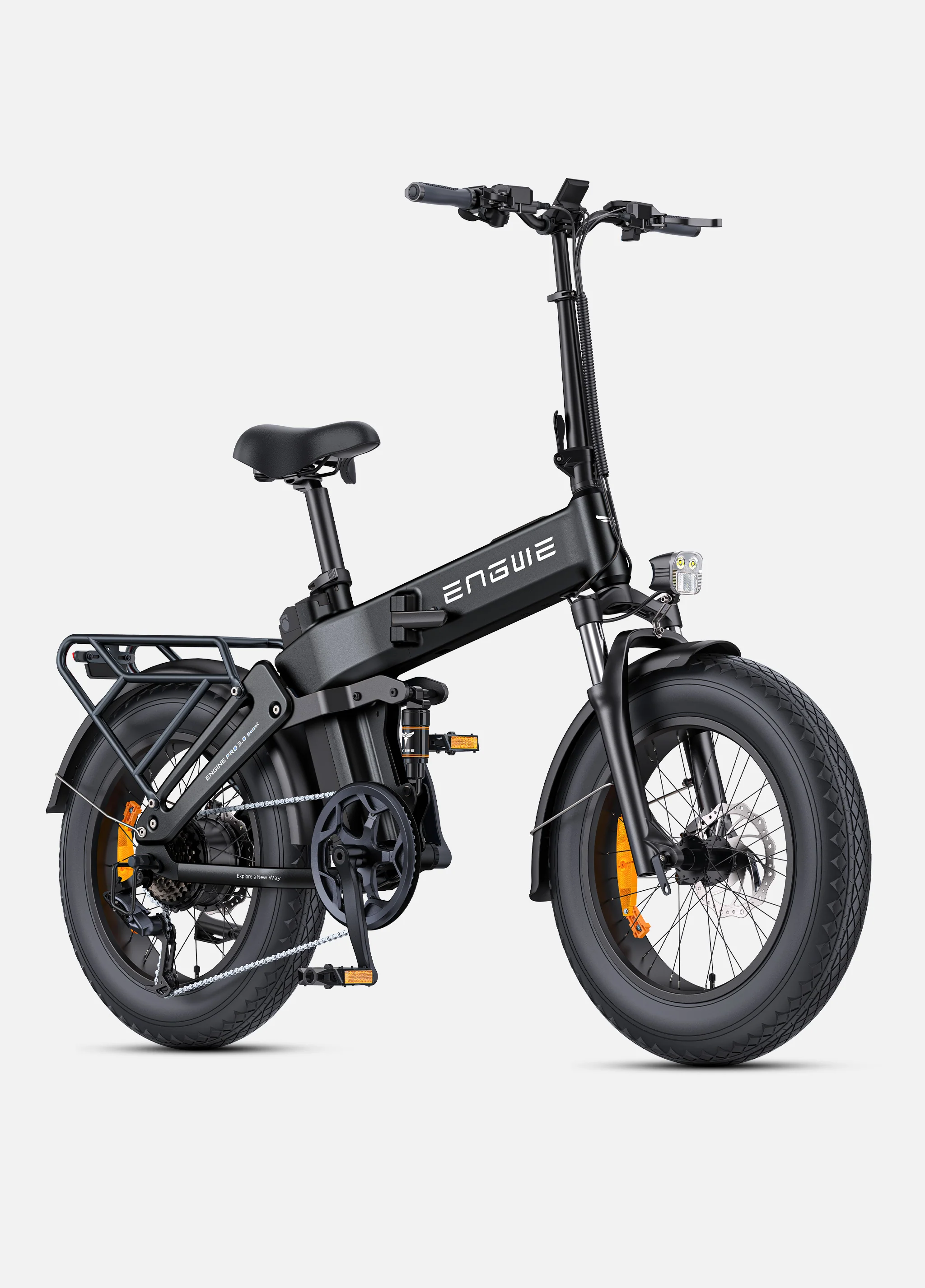
Recommended ENGWE models for intensive summer use
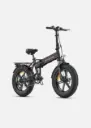
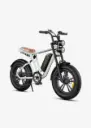
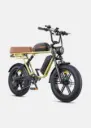
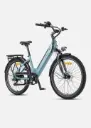
If your current ebike has accumulated several years of use and the pre-summer inspection reveals structural problems or a severely degraded battery, it may be the right time to consider an upgrade. For intensive summer use — combining urban commuting, weekend routes and occasional coastal getaways — these are the models from the current range that best fit those needs.

Conclusion: your ebike ready for summer, step by step
Good pre-summer maintenance does not require being a mechanic or having a workshop at home: with one hour of inspection following the checklist in this article, your electric bike will be in optimal condition to tackle the most demanding months of the year. Brakes checked, battery in good condition, chain lubricated with the right product for the heat and electrical components protected from salt spray and sand are the four keys that make the difference between a trouble-free season and an unexpected breakdown at the worst possible moment. If you want to go one step further and renew your ebike before summer, we invite you to explore the full range at engwespain.es, with free shipping and a 3-year warranty on all models.