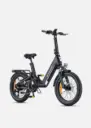
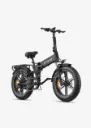
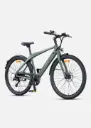
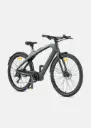
An electric bike is an investment that, with proper care, can have a long useful life. However, unlike a conventional bicycle, the e-bike incorporates electronic components that require specific attention. In this complete guide to e-bike battery maintenance and general care, we explain everything you need to know to look after your electric bike correctly and keep it always ready to ride.

A longer
useful life with good maintenance
More
charge cycles when you take care of the battery
30 min
Monthly basic maintenance
€50-100
Annual maintenance cost
Your Electric Bike Maintenance Calendar
A good maintenance programme is the key to extending the e-bike battery lifespan and all your bike's components. Here is the recommended maintenance calendar:
| Frequency | Task | Estimated Time |
|---|---|---|
| Every use | Check battery level | 1 min |
| Check tyre pressure | 2 min | |
| Verify lights are working | 1 min | |
| Check brakes | 1 min | |
| Monthly | Clean bike thoroughly | 20 min |
| Lubricate chain | 5 min | |
| Check cable tension | 10 min | |
| Inspect brake pad condition | 5 min | |
| Every 500 km | Check chain wear | 10 min |
| Adjust gear indexing | 15 min | |
| Inspect wheel spokes | 10 min | |
| Check general bolts | 15 min | |
| Annual | Complete service at specialist workshop | 2-3 hours |
| Replace chain (if >0.75% wear) | 30 min | |
| Inspect bottom bracket bearings | 20 min | |
| Update motor/display firmware | 15 min |
The 10 Essential Maintenance Tips
1. Maintain Correct Tyre Pressure
E-bike tyre pressure is one of the most important factors for the safety and efficiency of your bike. Incorrect pressure can cause punctures, reduce battery range and compromise control of the bike, especially when cornering and braking.
The correct pressure depends on the type of tyre and the rider's weight. In general:
- Road tyres (28mm or less): 7-9 bar (100-130 psi)
- Hybrid tyres (35-42mm): 4-6 bar (60-85 psi)
- Mountain tyres (45mm or more): 2-3.5 bar (30-50 psi)
Check the pressure at least once a week, preferably before each outing. Bike tyres naturally lose pressure (between 0.1 and 0.5 bar per week), so even if you haven't had a puncture, they may be below optimal pressure.
2. Clean Your Electric Bike Regularly
Regular electric bike cleaning is not just an aesthetic matter: it prevents corrosion, makes it easier to detect mechanical problems and extends the life of all components. However, care must be taken with the electronic components.
Steps to correctly clean an e-bike:
- Always turn off the bike and disconnect the battery before cleaning it
- Use a damp cloth for the frame and electronic components (display, motor, controller). Never use pressurised water near these components
- For the chain, sprockets and chainrings: use a specific bicycle degreaser
- Rinse with clean water (without pressure) and dry with a dry cloth
- Once dry, apply lubricant to the chain and cables
- Reconnect the battery only when the bike is completely dry
3. Take Proper Care of the Battery
The battery is the most expensive component of an electric bike (between 30% and 50% of the total price). Correct e-bike battery maintenance can double its lifespan. Here are the most important tips:
- Charge between 20% and 80% for regular use
- Charge to 100% only before long outings
- Always use the original charger
- Store the battery in a cool, dry place
- Keep at 50% charge if not using for more than 2 weeks
- Recharge the battery before storing it for winter
- Don't leave the battery completely discharged
- Don't expose the battery to extreme temperatures (<-10°C or >45°C)
- Don't charge it right after intensive use (wait 30 min)
- Don't use uncertified third-party chargers
- Don't store it in a damp environment
- Don't leave it charging indefinitely plugged in
The e-bike battery lifespan is measured in charge cycles. ENGWE does not publish a charge-cycle figure to 80 % capacity for its range as a whole; the only published figure applies to a single model (checked on 29.08.2026). If you charge the battery partially (from 30% to 80%), each charge counts as a fraction of a full cycle, effectively extending the battery's life.
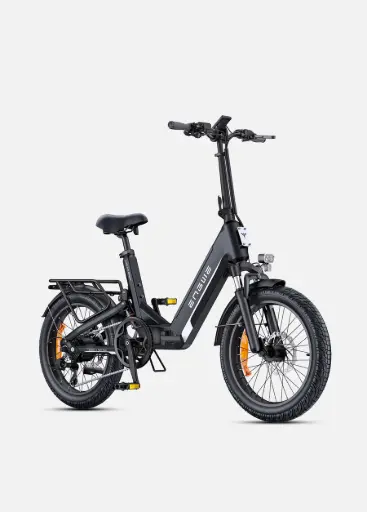
The ENGWE L20 3.0 Boost with its 48V 13.5Ah (648Wh) battery — the greatest range in the ENGWE range
4. Lubricate the Chain Regularly
The chain is the mechanical component that suffers the most wear on an electric bike, especially because the motor subjects it to greater torque than on a conventional bike. A well-lubricated chain reduces friction, improves transmission efficiency and extends the life of sprockets and chainrings.
How often should you lubricate? As a general rule, lubricate the chain:
- Every 100-150 km under normal conditions
- After riding in rain or very wet conditions
- When you hear the chain squeaking or creaking
- Always after cleaning the bike
Types of chain lubricant:
- Dry lube: Ideal for dry climate. Does not attract as much dirt but requires more frequent applications.
- Wet lube: Ideal for wet climate or rain. Greater protection but attracts more dirt.
- Ceramic lubricant: The best option if budget is not a concern. Maximum durability and minimum friction.
5. Check and Adjust the Brakes
Brakes are the most critical safety component of any electric bike. The greater the speed and weight (e-bikes weigh more than conventional bikes), the greater the importance of brakes in perfect condition.
For hydraulic brakes (the most common in mid-to-high range e-bikes):
- Check brake fluid level every 6 months
- Bleed the hydraulic system annually or when you notice loss of brake pressure
- Hydraulic pads last between 2,000 and 5,000 km depending on use
- If you hear squealing, the pads may be worn or contaminated
For mechanical brakes:
- Adjust cable tension when the lever travel is too long
- Visually inspect the pads monthly
- Replace pads when thickness is less than 1.5mm
6. Keep the Gear System in Good Condition
The gear system (derailleurs, cables, sprockets) requires periodic adjustments to function correctly. Imprecise gears or gears that jump when pedalling are one of the most frequent problems in electric bikes, especially because the motor subjects the transmission to greater stress.
- Always change gear without applying pedal force (or use the lowest assistance mode)
- Adjust gear indexing when changes are not precise or there are skips
- Lubricate gear cables annually
- Replace cables and housings every 2-3 years or when worn
- With an electric motor, the chain and sprockets wear 20-30% faster than on a conventional bike
7. Inspect Tyres Regularly
In addition to pressure, it is important to visually inspect the condition of tyres regularly. Look for:
- Cuts or cracks in the tread or sidewalls
- Excessive wear: when wear indicators are no longer visible or the tread is flat
- Bulges or deformities: may indicate the inner casing is damaged
- Embedded objects: glass, nails or thorns that have not yet caused a puncture
E-bike tyres last between 3,000 and 8,000 km depending on tyre quality, rider weight and terrain. For urban use, we recommend tyres with puncture protection (such as Schwalbe Marathon or Continental Contact) which, although slightly heavier, offer excellent resistance to sharp objects on urban asphalt.
8. Take Care of Electrical and Electronic Components
The electronic components of the e-bike (display, motor, torque sensor, LED lights, controller) are generally very reliable, but require certain care:
- Display: Clean with a dry or slightly damp cloth. Do not use solvents or isopropyl alcohol on the screen.
- Connectors: Periodically inspect for corrosion on electrical connectors, especially after riding in rain.
- Motor: The motor requires no regular user maintenance. If you hear unusual noises, consult a specialist workshop.
- Torque/cadence sensor: Make sure there is no dirt or water accumulated around the sensor.
- Firmware: Keep motor and display firmware updated to benefit from performance improvements and bug fixes.
9. Check Bolts and Frame Structure
Vibrations from the electric motor and terrain can loosen bolts and connections over time. Periodically check:
- Handlebar and stem bolts: Tighten to the correct torque as per manufacturer's instructions (normally 4-6 Nm)
- Saddle and seat post bolts: Regularly check tension
- Motor bolts: Fundamental for safety. If there is play, take the bike to a workshop
- Racks and mudguards: Check they are securely fastened, especially if carrying a load
- Frame: Visually inspect for cracks or deformities, especially at welds
10. Store Your E-Bike Correctly
If you are not going to use the electric bike for an extended period (holidays, winter), it is important to store it correctly to prevent deterioration:
- Thoroughly clean the bike before storing it
- Lubricate the chain and cables
- Store the battery separately from the bike, at a temperature between 10°C and 20°C
- Leave the battery with a charge of 40-60%
- Recharge the battery slightly every 2-3 months if storage is prolonged
- Avoid storing the bike in damp places, with extreme temperature variations or exposed to direct sunlight
- If storing for more than 3 months, inflate tyres to maximum pressure to avoid deformation
Seasonal Maintenance: A Guide by Season
- Complete inspection after winter
- Replace tyres if worn
- Check and adjust brakes
- Check battery condition
- Update firmware if available
- Lubricate all moving parts
- Increase cleaning frequency (dust and heat)
- Don't expose battery to direct sun
- Avoid charging during peak heat hours
- Check tyre pressure more often (heat increases it)
- Lubricate chain more frequently
- Check brake pads after long rides
- Switch to wet lube on chain
- Check puncture sealant (tubeless)
- Check lights (days are getting shorter)
- Inspect electrical connectors
- Add mudguards if you don't have them
- Check reflectors
- Store battery at controlled temperature
- Use water-resistant grease on bearings
- Clean after each use with salt (coastal areas)
- Reduce tyre pressure slightly
- If snow/ice, don't ride (dangerous)
- Consider charging indoors
Additional Tips to Maximise Lifespan
Battery Storage in Winter
If you live in an area with cold winters or if you don't use the electric bike during winter, correct battery storage is essential to preserve its capacity:
- Charge the battery to 50-60% before storing it
- Store it in a cool (10-15°C) and dry place, away from extreme cold and heat
- Recharge it to 50-60% every 2-3 months during storage
- Never store the battery completely discharged: it can enter a deep discharge state from which it cannot recover
- Before using it again in spring, do a full charge
Winter and Rain Care
Modern e-bikes have good water protection (IPX4 or IPX5 on most models), meaning they can handle normal rain. However, additional precautions are needed in winter:
- After riding in rain, dry the bike before storing it
- Pay special attention to electrical connectors: they are the most vulnerable point
- In coastal areas, salt air can accelerate corrosion. Increase cleaning frequency
- In very low temperatures (<0°C), battery capacity is temporarily reduced. This effect is reversible when the battery returns to normal temperature
- Don't ride the bike on ice or snow: the risk of falling is very high
When to Take Your Bike to a Workshop?
Although many maintenance tasks you can do yourself, there are situations where it is necessary to go to a specialist electric bike workshop:
- 🔧 Motor with unusual noises (knocking, squealing, abnormal vibration)
- 🔧 Battery not charging correctly or draining unusually fast
- 🔧 Hydraulic brakes with no pressure or requiring bleeding
- 🔧 Display showing system errors that don't resolve by restarting
- 🔧 Bottom bracket bearings with play or making noise
- 🔧 Cracks in the frame (don't ride the bike until repaired)
- 🔧 Complete annual service even if there are no visible problems
Recommended Products for Your E-Bike Maintenance
To carry out basic maintenance on your electric bike, you will need a range of basic tools and products:
| Product | What it's for | Frequency of use | Approx. price |
|---|---|---|---|
| Chain lubricant | Reduce transmission friction | Every 100-150 km | €8-15 |
| Biodegradable degreaser | Clean chain, sprockets, chainrings | Monthly | €10-20 |
| Floor pump with gauge | Inflate tyres to correct pressure | Weekly | €30-60 |
| Chain wear indicator | Know when to replace the chain | Every 500 km | €10-20 |
| Torque wrench | Tighten bolts to correct torque | Periodic inspections | €40-80 |
| Multi-tool kit for bike | Various adjustments on the road and at home | Always on the road | €15-30 |
| Moisture protection spray | Protect connectors and metal parts | Monthly in winter | €8-15 |
ENGWE L20 3.0 Boost: Designed to Make Maintenance Easy
ENGWE bikes are designed with ease of maintenance in mind. The components most subject to wear are standard and easily replaceable. The ENGWE L20 3.0 Boost incorporates features that simplify maintenance:
- Removable battery to make charging and indoor storage easier
- Quality hydraulic disc brakes with minimal maintenance
- Shimano gearing with spare parts availability throughout Spain
- Motor with IPX5 protection against water splashes
- Smart display with maintenance indicators and basic diagnostics
Conclusion: Correct Maintenance Multiplies Your E-Bike's Life
Preventive maintenance of your electric bike is not a burden, but an investment. With just 30 minutes a month of basic maintenance and an annual service at a specialist workshop, you can keep your e-bike in perfect condition for many years, maximising the e-bike battery lifespan and always enjoying a safe and efficient riding experience.
Remember that e-bike battery maintenance and the general care of your electric bike not only extend its useful life, but also guarantee your safety and that of other road users. A well-maintained e-bike is synonymous with safety, efficiency and sustainability.
Have questions about maintaining your ENGWE? Contact our technical team in Valencia. We are here to help you get the most out of your electric bike.
L20 3.0 Boost — designed to last with proper maintenance